Mars conjunction Jupiter in the sky starts October 9, 2026 and reaches peak power November 16, 2026 at 6.24am GMT.
Mars is the planet of manufacturing, mechanics, machines, competition, aggressive force, the military and conflict. It rules construction, destruction, strife, mayhem, violence of all kinds, killing, murder, sex, intoxicants, accidents, fires, the police and security forces.
Jupiter is the planet of capitalism, trade, finances, prosperity, abundance and higher prices. Its economic growth fosters more jobs, more money and more consumption. It finances projects that improve people’s lives. It’s financing digital Aquarius and the AI boom. It rules venture capitalists, investors, bankers, financial institutions, banks and bonds. It’s desire for wealth motivates millionaires to be billionaires. In 2026 the world is rich and unhappy.
Jupiter is the planet of optimism and goodwill. It gives and spends and its generous attitude triggers a like response in others. Its bankers, treasurers, financiers and policymakers manage the business cycle. They helped save the global economy from covid-19.
Jupiter rules law, legal matters, judges, courts, contracts, ships, shipping, treaties, books, publishing, advertising and religion. It’s the planet of diplomatic relations and conflict-resolution negotiations. Its religious leaders, clerics, priests, rabbis and monks do God’s work here on Earth.
Mars and Jupiter are spendthrift planets and their conjunction will stimulate the flow of capital. Massive amounts will be allocated for defense/arms spending and ship building. And they’re fast-food junkies that drive the fast-food industry.
Their in-sky conjunction is square (obstacle) Sun – planet of politics and world leaders; sextile (opportunity) Venus; sesquisquare (agitation) Saturn – planet of safety, work, economy, hardship, loss and poverty; and square Uranus – planet of unexpected events, protests and disruption.
It forecasts conflict, missile-drone attacks, hybrid warfare, major arms deals, urgent diplomacy, tough bargaining at the peace talks, a boom in weapons manufacturing, trade warring, financial strife, religious disputes/violence, burning churches, danger on the high seas, attacks on ships (by the Iranians/Houthis), shipping accidents, strife for courts, attacks on the judiciary, shootings, accidents, fires and interference in the US mid-terms. It will have no direct influence on your personally.
Nothing’s static, things change. Each nation’s Mars-Jupiter conjunction chart can be viewed as a visualization of the Middle East conflicts impact on its mundane affairs.
Mexico has it in house 1 > a major Mars-Jupiter event involves and affects the people and their health and welfare.
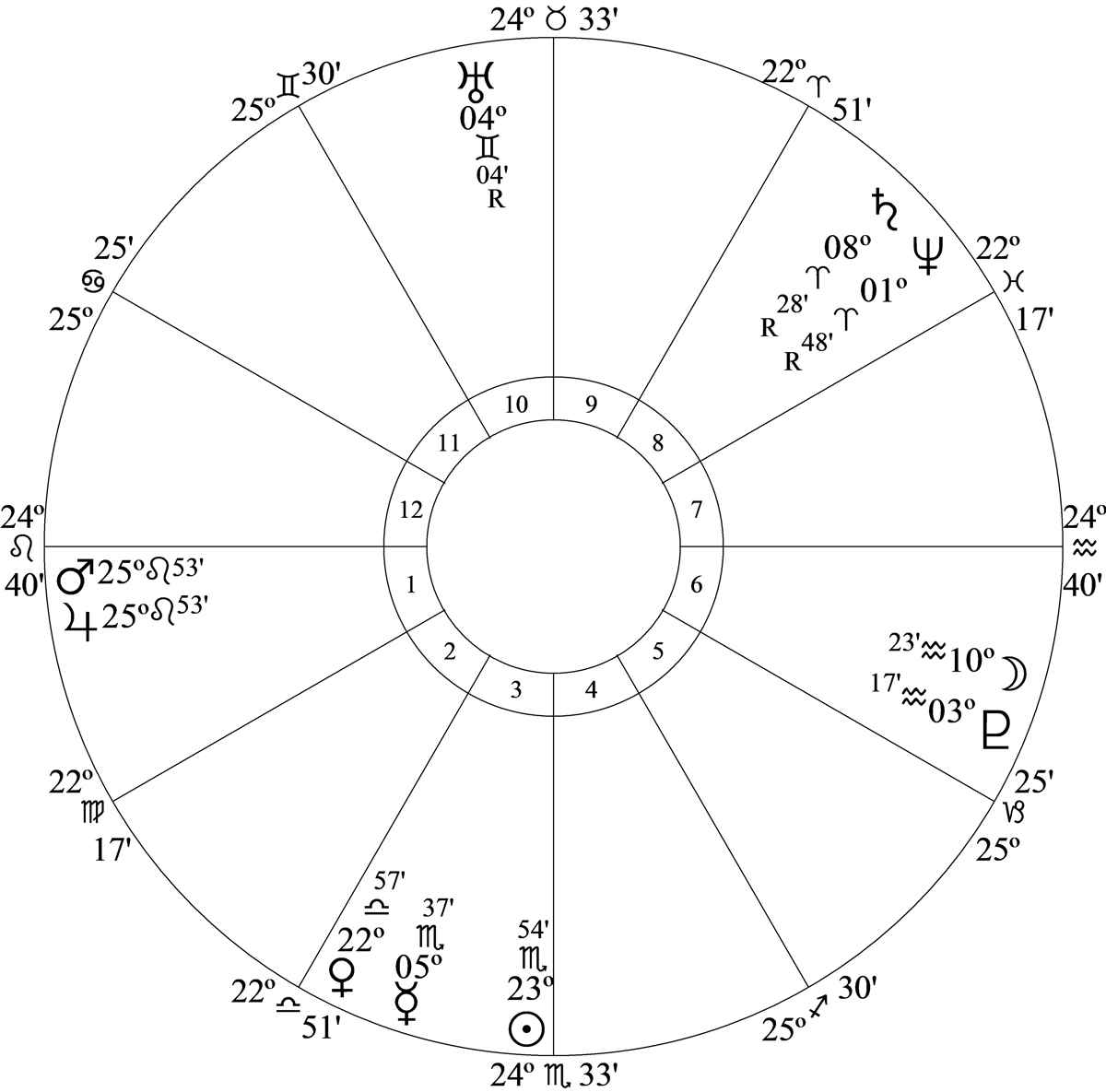
Chart data is November 16, 2026 at 12.24am CST: 19N24; 99W09 (Mexico City)
No country has it in house 2.
Tonga has it in house 3 > a major event involves road and rail transportation, communications, phones, emails, postal services, newspapers, public thinking and neighbor countries.
Australia, New Zealand, Solomon Islands, Tuvalu and Vanuatu have it in house 4 > a major event involves land, territories, housing, buildings, the weather, crops on the ground and/or mining.
Australia’s Mars-Jupiter conjunction chart
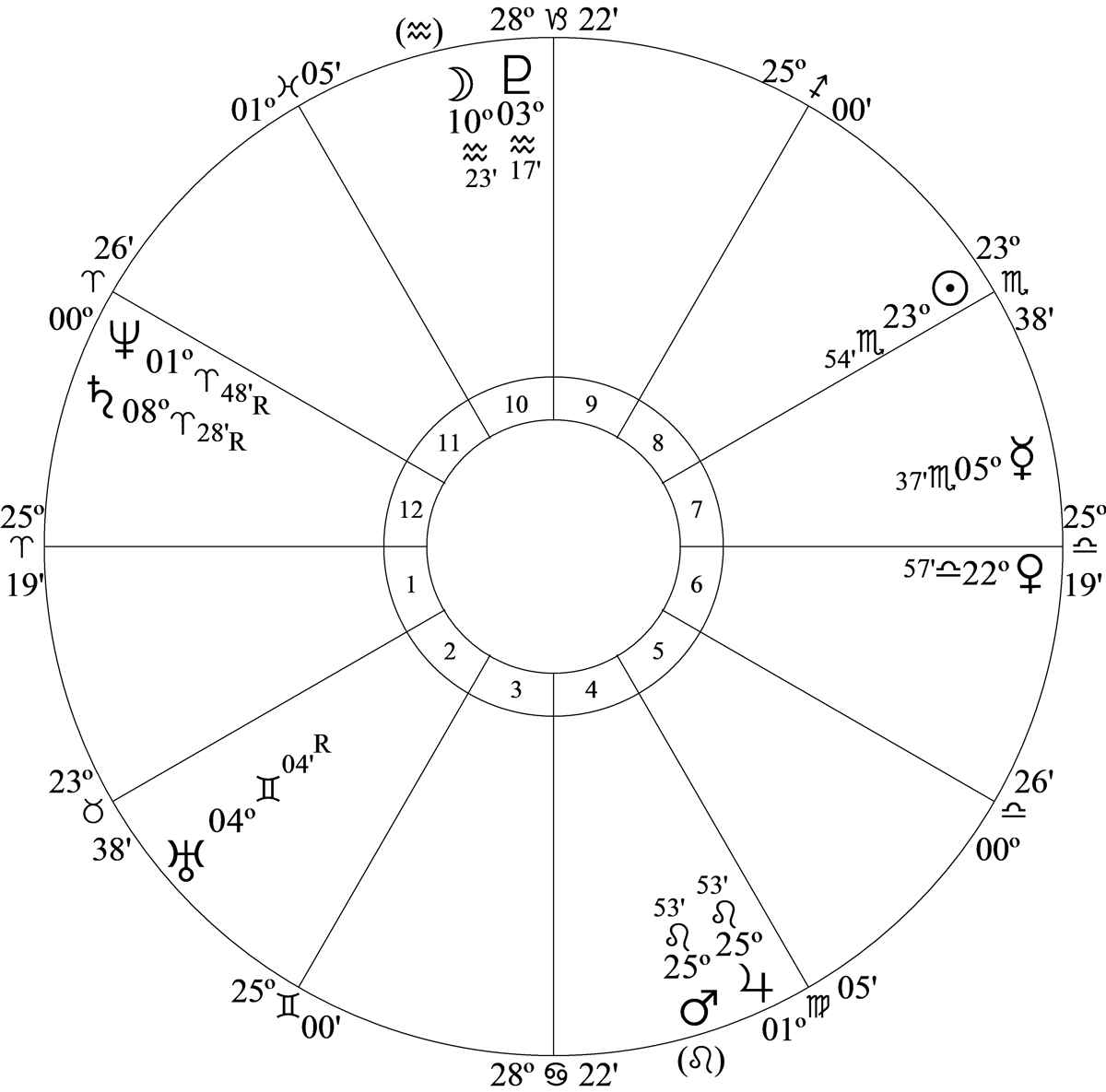
Chart data is November 16, 2026 at 5.24pm AEDT: 35S17; 149E08 (Canberra)
Japan, North Korea, South Korea, Philippines and Taiwan have it in house 5 > a major event involves entertainment, places of amusement, speculation, the stock market, sport, children and/or ambassadors from foreign countries.
China, Indonesia, Malaysia, Myanmar, Singapore, Thailand and Vietnam have it in house 6 > a major event involves and affects labor, the work force, employees, civil servants, army and navy personal, police, policing, the harvest, stored grains, food, restaurants and/or illness.
India, Pakistan and Sri Lanka have the Mars-Jupiter conjunction in house 7 > a major event involves war, disputes, foreign policy, international relations and enemies.
India’s Mars-Jupiter conjunction chart
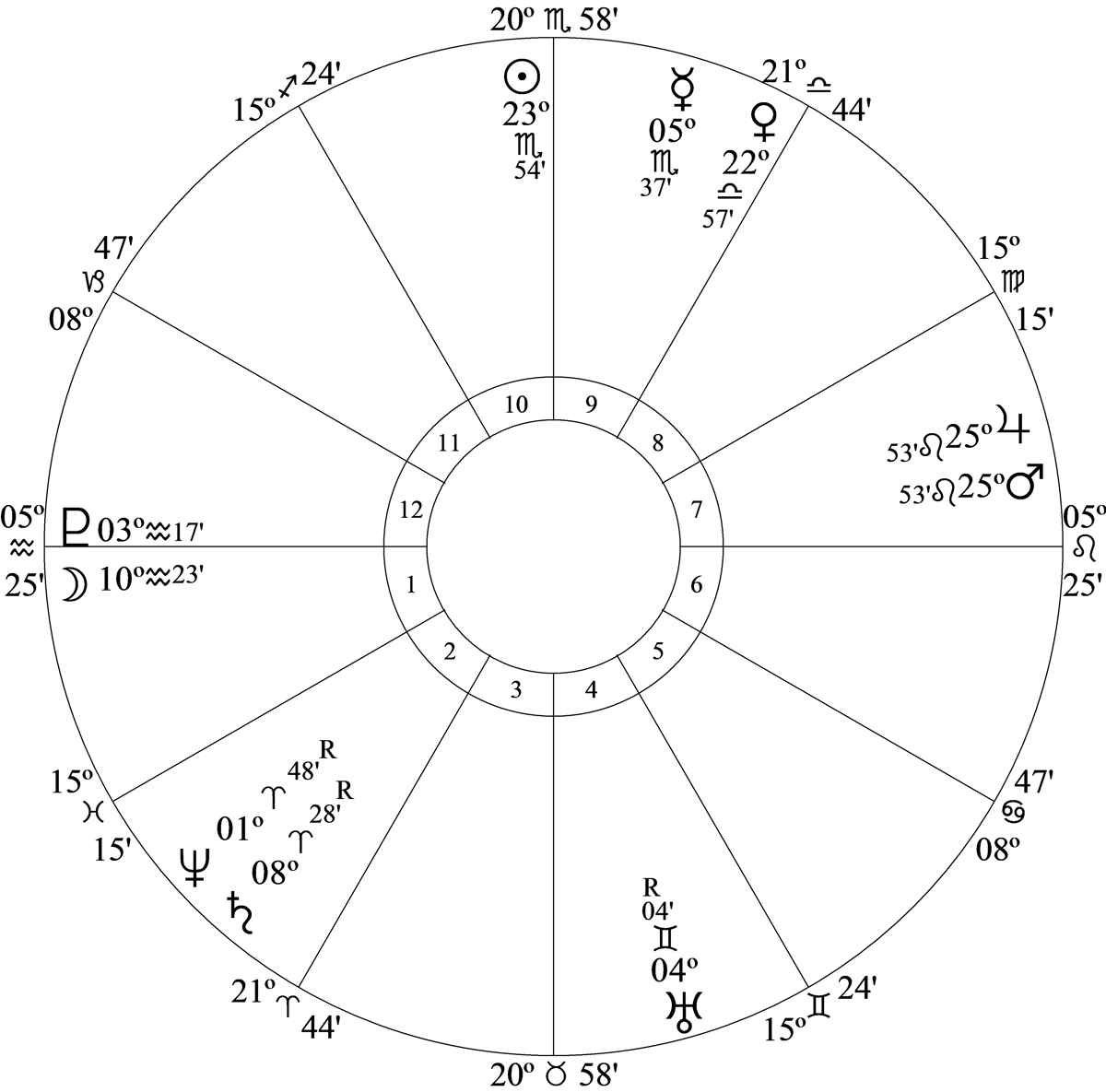
Chart data is November 16, 2026 at 11.54am IST: 28N36; 77N12 (New Delhi)
Russia, Iran, Egypt, Gaza, Israel, Lebanon, Palestine, Iraq, Saudi Arabia, Somalia, South Africa, Sudan, Syria, Turkey and Yenam have it in house 8 > a major event involves tariffs, taxes, pensions, insurance, debts due from foreign countries and death.
UK, Ukraine, EU, all of Europe, Austria, Bulgaria, Finland, France, Germany, Greece, Italy, Malta, Netherlands, Norway, Poland, Romania, Sweden, Burkina Fosu, Libya and Nigeria have the Mars-Jupiter conjunction in house 9 > a major event involves diplomatic moves, trade, import-expert, shipping, aviation, tourism, religion, the law, Supreme Court, teaching, radio, television and/or internet.
Spain, Iceland, Gambia, Liberia and Mali have it in house 10 > a major event involves the nation’s leaders, administration, business and international standing.
Spain’s Mars-Jupiter conjunction chart
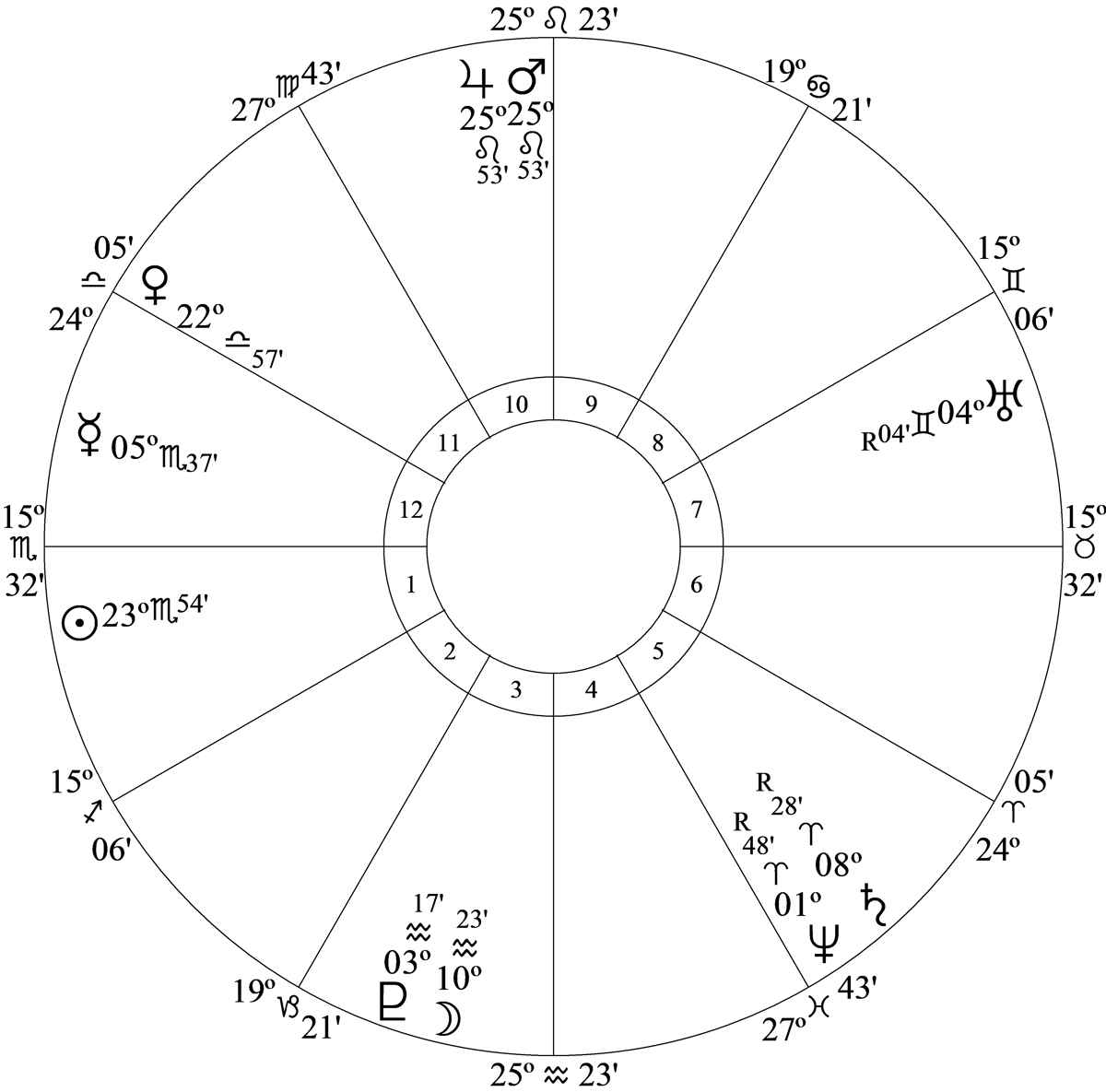
Chart data is November 16, 2026 at 7.24am CET: 40N24; 3W41 (Madrid)
Brazil has it in house 11 > a major event involves its parliament, parliamentarians and/or ambassadors sent to foreign countries.
USA, Canada, Peru, Argentina, Chile, Cuba and Venezuela have it in house 12 > a major event involves secret activity, secret deals, undercover operations, spies, crime, criminal activity, secret enemies, prisons, incarceration, hospitals, nursing homes, charitable institutions, refugees, asylum seekers, detention centers, disappointment and restriction.
America’s Mars-Jupiter conjunction chart
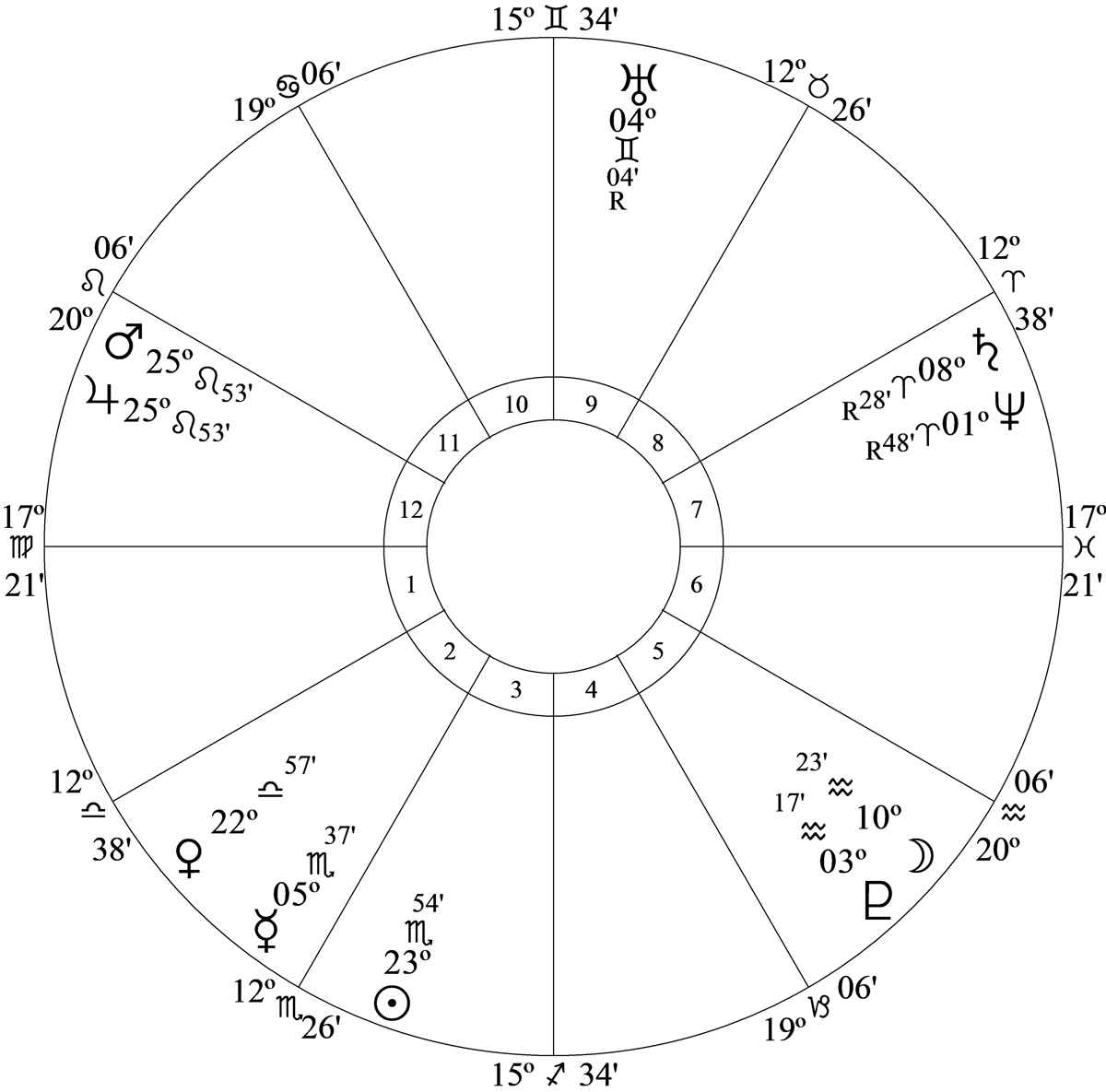
Chart data is November 16, 2026 at 1.24am EST: 38N53; 77W01 (Washington)
This chart may have some influence on the 2026 US mid-terms.
Global astrology helps you understand the world.
It’s the age of economic warfare. Governments use sanctions, tariffs, export controls, choke points, supply chains and economic pressures to compete for economic advantages and inflict pain: economic disruption, lost jobs, reduced purchasing power. Resilience is needed to survive changing circumstance.
What is a Trade War?
Each nation acts in its own best interest (house 1) and sometimes, especially during a period of recession (Saturn), war (Mars) or civil unrest (Uranus) a nation puts its own needs first. It has noneconomic national security considerations (Saturn) or trade secrets (house 12) to protect (Saturn).
Perceived differences, like unfair trading practices, are worked out through trade agreements and diplomacy (Jupiter-house 9) but when one country imposes tariffs (house 8) or other restrictions on another country’s imports (house 9) and it responds with tit-for-tat trade policies the dispute (Mars) can escalate into an all-out trade war.
A trade war (Jupiter) is an economic conflict (Mars) that arises when countries impose tariffs or other protective measures (Saturn) on each other’s goods to defend domestic industries (house 10) and jobs (house 6) from foreign competition (house 7-Mars).
A trade war by raising import costs through tariffs (house 8) or quotas (house 9) can increase prices for consumers (Jupiter) and disrupt (Uranus) supply chains leading to inflation (Neptune), reduced competition (Saturn), lower demand (Saturn), slower economic growth (Saturn), and potential job losses (house 6). It can negatively impact both economies, diplomatic relationships (house 9) and cultural exchanges between the countries.
Trade wars can impact financial markets, including stocks (house 5), currencies (house 2), and commodities (Saturn). Currency fluctuations (house 2) can occur due to shifts in investor sentiment and central bank (house 2) interventions. Commodity prices (Saturn) can be affected as demand for certain goods fluctuates based on tariffs and retaliatory actions.
Proponents argue that trade wars provide competitive advantages by protecting domestic industries (house 10) from unfair competition (Mars), creating more jobs (house 6), improving trade deficits (houses 2 and 8), and punishing a country for unethical trading practices (house 9-Pluto).
A trade war (Jupiter) is an economically destructive conflict (Mars) between countries characterized by the imposition of tariffs, quotas, and other protectionist measures on each other’s goods and services.
Protectionism
Protectionism (Saturn) is the underlying principle behind a trade war. It aims to protect domestic businesses (house 10) and jobs (house 6) from external threats.
Protectionist policies are government actions aimed at restricting international trade (Jupiter) to safeguard (Saturn) domestic industries from foreign competition (Mars). They’re measures designed to make imported goods less attractive or more expensive for consumers compared to their domestic counterparts. By making it more difficult or costly for foreign producers to enter the market, domestic industries receive a competitive advantage.
Protectionism can help balance a trade deficit: a situation where a country’s imports exceed its exports (house 9). But protectionist policies are often controversial due to their potential negative impact on consumers, businesses, and global economies.
Governments employ various methods to protect (Saturn) their industries from foreign competition (house 7-Mars). Import tariffs are a common form of protectionism.
Tariffs
Most countries have limited natural resources (house 4) and a limited ability to produce certain goods and services (Mars) so they trade (Jupiter-house 9), but it’s not always done in an amenable manner. Policies, geopolitics, competition, and many other factors can make trading partners disgruntled.
One way a government can deal with a disagreeable trading partner is tariffs. They serve multiple purposes. They’re used to protect (Saturn) domestic companies and jobs (house 6) from cheaper (Saturn) foreign companies by raising the price (Jupiter) of imported goods (house 9); and to restrict imports (Saturn) by increasing the price of goods and services (Jupiter) purchased from the other country, making them less attractive to domestic consumers.
Investopedia will tell that a tariff is a tax (house 8) imposed by one country on the goods and services imported (house 9) from another country to influence it, raise revenues (Jupiter-house 8), protect competitive advantages (Saturn-Mars), or pressure it (Pluto) to change a particular behavior.
Tariffs provide a government with a chance to bring in more money which can relieve some of the tax burdens felt by a country’s citizens and help the government to reduce deficits.
Tariffs can be used by countries to open negotiations for trade or other issues; and they’re used to ensure domestic products receive preference within a country to support businesses and the economy by raising the cost (Jupiter) of the imported product (house 9) for the consumer.
Tariffs can help stabilize a market and make prices predictable.
But it’s common for nations to use tariffs to punish or discourage actions they disapprove of and this can create tensions between the two countries and lead to more problems. A typical response for a country with tariffs imposed on it is to respond similarly, creating a trade war in which neither country benefits from the other.
And tariffs can have unintended side effects. They can make domestic industries less efficient (Saturn) and less innovative (Uranus) by reducing competition (Mars); hurt domestic consumers since a lack of competition tends to push up prices; can generate tensions by favoring specific industries or geographic regions over others; and devolve into an unproductive cycle of retaliation, commonly known as a trade war.
Quotas, subsidies, regulations and product standards
Import quotas (house 9) refer to limits placed on the quantity of a particular product that can be imported during a specified period. By limiting the import volume, domestic industries receive greater market share and pricing power.
Government subsidies provide financial support (Jupiter) to domestic industries to help them compete (Mars) with foreign counterparts. They include direct financial grants (Jupiter), tax breaks (house 8), or cheap loans (Saturn-house 8). By offsetting the cost disadvantage arising from lower production costs in other countries they provide a competitive edge to domestic producers.
A government can take action to weaken the value of its money aka devalue its currency (house 2) to make exports cheaper and imports more expensive. It’s often used in a trade war to counteract tariffs by keeping goods competitively priced.
Countries use quotas to limit imports, subsidies to support domestic industries, and regulations to block foreign competition. Export restrictions and embargos limit the sale of critical goods such as technology or raw materials. Both measures can devastate economies, disrupt supply chains, and increase tension among nations.
Protectionist tariffs can escalate into a cycle of retaliation aka a trade war.
The United States and China, Russia and the European Union and America and Canada have recently engaged in trade wars.
The US–China trade war saw a series of escalating tariffs disrupt supply chains, reshape global trade patterns, and highlight tensions between the world’s two largest economies.
The US–Canada trade war began in early 2025 when the United States imposed broad tariffs on Canadian imports – 25% on most goods and 10% on energy – citing national security, border issues, and fentanyl trafficking. Canada responded with equivalent tariffs, triggering a cycle of escalation.
In mid‑2026, the US announced fresh 50% tariffs on vehicles, dairy, alcohol, and steel intensifying the conflict. Canada retaliated with a ‘dollar‑for‑dollar’ response. The US–Canada trade war is an evolving dispute.
In August 2026 the US announced sweeping new economic sanctions on Iran and its trading partners as it seeks to apply more economic pressure to isolate the country from the global economy as their war endured a diplomatic deadlock.
The measures were described as ‘economic asphyxiation’ as the US Department of the Treasury imposed new sanctions on nearly 60 individuals and entities in an effort to ‘sever every economic lifeline that sustains this tyrannical regime until Tehran stands alone.’
In extreme cases, a trade war can elicit a military response.
New export controls (house 9) on semiconductors and artificial intelligence (Uranus-Pluto)) underscore the growing role of geopolitics in trade (Jupiter-house 9).
Nations must protect (Saturn) their interests but long-term economic stability (Taurus) and growth (Jupiter) are best achieved through cooperation (Pluto) and open markets (Jupiter). Trade barriers (Saturn) might address short-term goals, but when they escalate into a trade war (Jupiter), the economic pie tends to shrink (Saturn) and everyone involved loses.
Astrology for Aquarius – sharing our knowledge